
General Dentistry – Comprehensive Dental Care in Indiranagar, Bangalore
Long-term dental health is built in day-to-day care, not just in specialist procedures. Routine exams that catch decay early, cleanings that prevent gingivitis from progressing to periodontitis, and timely diagnosis of cracks before a tooth splits are what keep major treatments from becoming necessary. At Dental Solutions Clinic (DSC) in Indiranagar, general dentistry is not a holding area before referral – it is the ongoing clinical process that helps protect you from avoidable, complex problems.
General care at DSC is provided by specialist clinicians: Dr. Balasubramanya K V – MDS Periodontics, LANAP Certified Practitioner, Fotona LightWalker Certified Operator – and Dr. Ramya Balasubramanya – MDS Prosthodontics, BDS Gold Medallist (RGUHS University Topper), Certified DSD Practitioner, Certified Invisalign Provider. Every “routine” appointment uses the same digital diagnostic tools as specialist work – RVG digital radiography, intraoral photography, and CBCT when indicated – and every finding is interpreted in the context of your whole mouth, not as an isolated issue.
What Is General Dentistry?
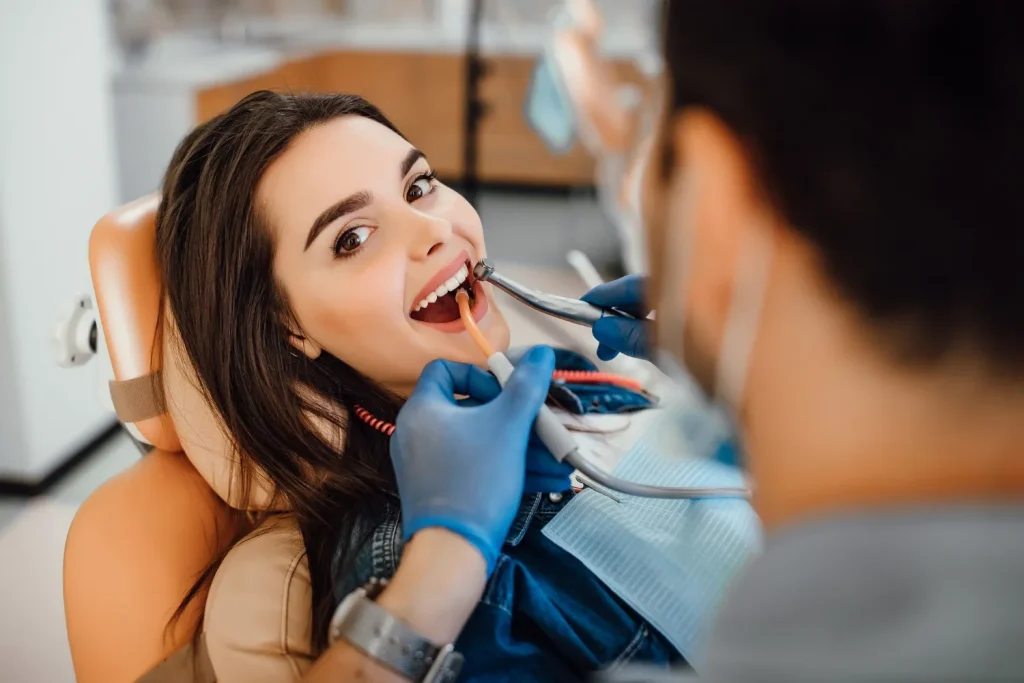
General dentistry encompasses preventive, diagnostic, and restorative treatments that help keep teeth and gums healthy over a lifetime. It includes clinical examinations, X‑rays, professional cleaning, detection and filling of cavities, early‑stage gum disease management, treatment of tooth sensitivity, and tailored guidance on hygiene and diet. General dentistry is the platform on which all specialist care rests: gum health must be stabilised before implants, decay controlled before veneers, and systemic risk factors recognised before surgical procedures.
What We Treat in General Dentistry
Tooth decay and cavities
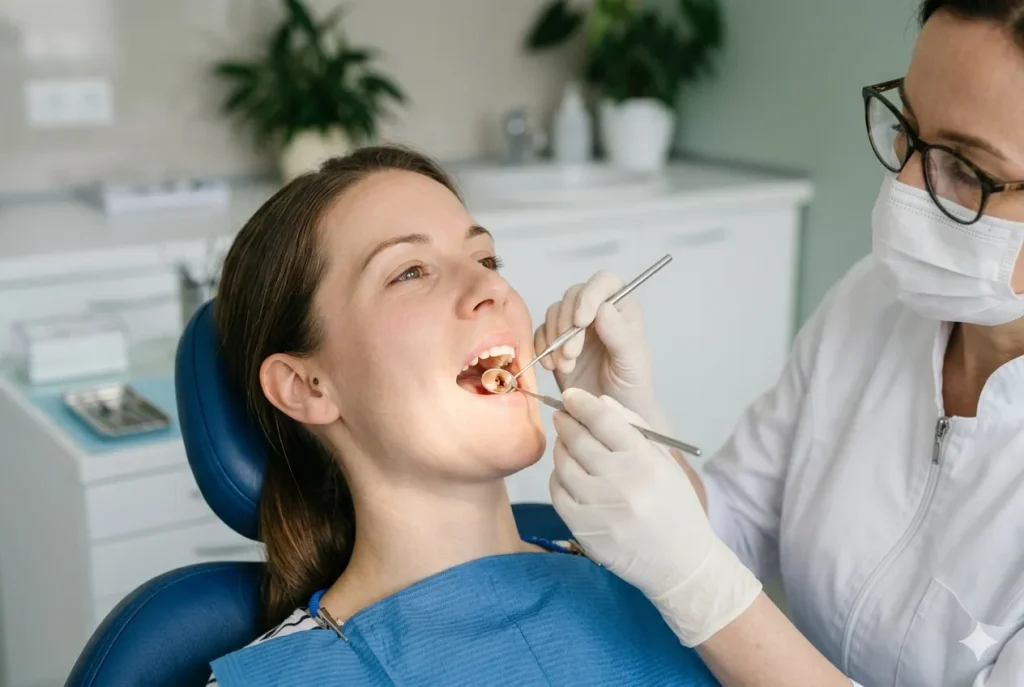
Dental caries is the most common chronic disease. It is managed at DSC through a combination of clinical examination, digital bitewing radiographs for hidden lesions, and, where appropriate, adjunctive devices such as laser-based caries detection. Early, non‑cavitated lesions are treated with remineralisation (high‑fluoride agents, remineralising products, and dietary advice), while established cavities are restored with tooth‑coloured composite; larger defects may need ceramic inlays or onlays, and pulp‑involved teeth are referred for root canal treatment by Dr. Ramya Balasubramanya.
Gum disease – early and moderate stages
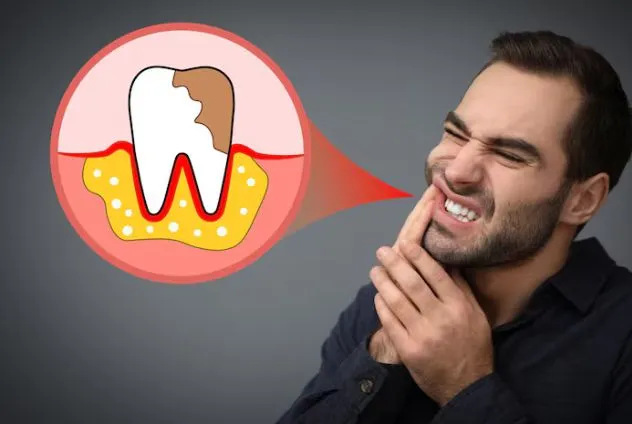
Gingivitis and early‑to‑moderate periodontitis are diagnosed with periodontal charting, digital periapical radiographs, and bleeding‑on‑probing scores at each visit. Gingivitis is managed with professional scaling and customised hygiene instruction; early and moderate periodontitis is treated with scaling and root planing, with adjunctive laser therapy using the Fotona LightWalker where indicated. Advanced periodontitis requiring LANAP or other surgical laser protocols is managed within Dr. Balasubramanya’s periodontal speciality practice.

Tooth sensitivity
Dentinal hypersensitivity – sharp, brief pain to cold, heat, sweets, or air – is evaluated to find the underlying cause, such as gum recession, acid erosion, bruxism‑related wear, or a cracked tooth. Management targets the cause: desensitising agents, dietary modification, splint therapy for grinding, soft‑tissue grafting where recession is severe, or restorative build‑up where enamel or dentine loss is significant.
Cracked and chipped teeth
Minor chips and superficial cracks are usually restored with direct composite in a single visit. Deeper or symptomatic cracks are first assessed to determine their extent, as root‑level cracks render teeth non‑restorable; adjuncts such as transillumination and CBCT are used when clinical examination alone is inconclusive. Teeth with restorable cracks above the CEJ are protected with ceramic onlays or crowns, and those with pulp involvement receive root canal treatment before definitive coverage.
Oral hygiene and preventive care
Professional cleaning at DSC includes supragingival and subgingival scaling, stain removal, and polishing, often using advanced air-flow systems to effectively remove biofilm and stains. Home care instruction is fully individualised, focusing on your specific plaque-retentive areas, suitable brushing technique, and the right interdental aids (floss, brushes, or water flossers), with diet counselling where caries risk is diet-driven.

Emergency dental care
Dental emergencies such as acute pulpitis, abscess, avulsed teeth, lost fillings or crowns, and soft‑tissue injuries are prioritised for same‑day assessment whenever clinically required. Emergency visits include focused clinical and RVG evaluation, followed by immediate pain relief or stabilising treatment, such as pulp extirpation and dressing, incision and drainage, reimplantation and splinting of avulsed teeth within the critical window, or temporary restorations.
Technology We Use – And Why It Matters
General dentistry at DSC is built around a fully digital diagnostic toolkit that changes what we detect, how early we detect it, and how precisely we can treat it.

RVG digital radiography
Sensor‑based X‑rays that appear on screen in seconds with significantly reduced radiation compared with film. They reveal decay between teeth at an early enamel stage, and the images can be enhanced and measured in calibrated millimetres for accurate diagnosis.

DIAGNOdent laser caries detection
A laser device that measures mineral loss in pits, fissures, and smooth surfaces. It helps detect early lesions that appear sound to the eye, enabling remineralisation rather than drilling where possible.

Planmeca Primescan intraoral scanner
A handheld scanner that creates a 3D digital model of the teeth without any impression material. It replaces conventional impressions for night guards, sports guards, and study models, improving comfort and giving highly accurate appliance fit from the first try.

Intraoral photography
Standardised, high‑resolution photos of teeth and gums taken at the chairside. They document baseline status, make cracks, cavities, and recession visible to you on screen, and provide a visual record for monitoring changes over time.

Planmeca ProMax CBCT
A 3D cone beam CT system that produces detailed volumetric images of the jaws. In general care, it is used selectively, for example, to assess crack depth, impacted wisdom tooth position, or the true three‑dimensional extent of an infection when 2D X‑rays are not enough.
Frequently Asked Questions
How often should I have a dental check up?
It depends on your risk level. Low‑risk patients with healthy gums and no active decay are usually fine with a yearly exam and cleaning every 6–12 months, while those with a history of decay, gum disease, or complex restorations are typically reviewed every 3–6 months; at DSC, your dentist will advise a personalised recall interval after assessing your risk.
Does a scale and polish hurt?
Most people with healthy gums find scaling quite comfortable. If your gums are inflamed, you may feel some temporary tenderness or sensitivity during treatment and for a day or two afterwards, but this settles as the gums heal, and techniques such as air-flow polishing can make the experience gentler.
My teeth have not caused any pain; therefore, am I still required to make a visit?
Yes. Tooth decay and gum disease usually cause no pain in their early stages, when they are simplest and least expensive to treat; symptoms often appear only once decay reaches the nerve or gum disease has already damaged bone. Regular check‑ups are specifically designed to catch problems before you feel them.
I am embarrassed about the state of my teeth. Will I be judged?
No. At DSC, we routinely see everything from well‑maintained mouths to severely neglected teeth, and the response is always to create a clear, step‑by‑step treatment plan, not to criticise. Many patients who delay for years because of embarrassment find that the first visit feels far easier and more constructive than they expected.
What is included in a comprehensive dental examination at DSC?
A comprehensive exam includes a full medical and dental history, a detailed tooth-by-tooth and gum assessment (with periodontal charting), a bite and TMJ evaluation, soft-tissue screening, digital X-rays where needed, intraoral photographs, and an explained-and-written treatment plan, typically over a 45–60-minute appointment.