LASER DENTISTRY: A Novel Way To Enhance Your dental Appearance
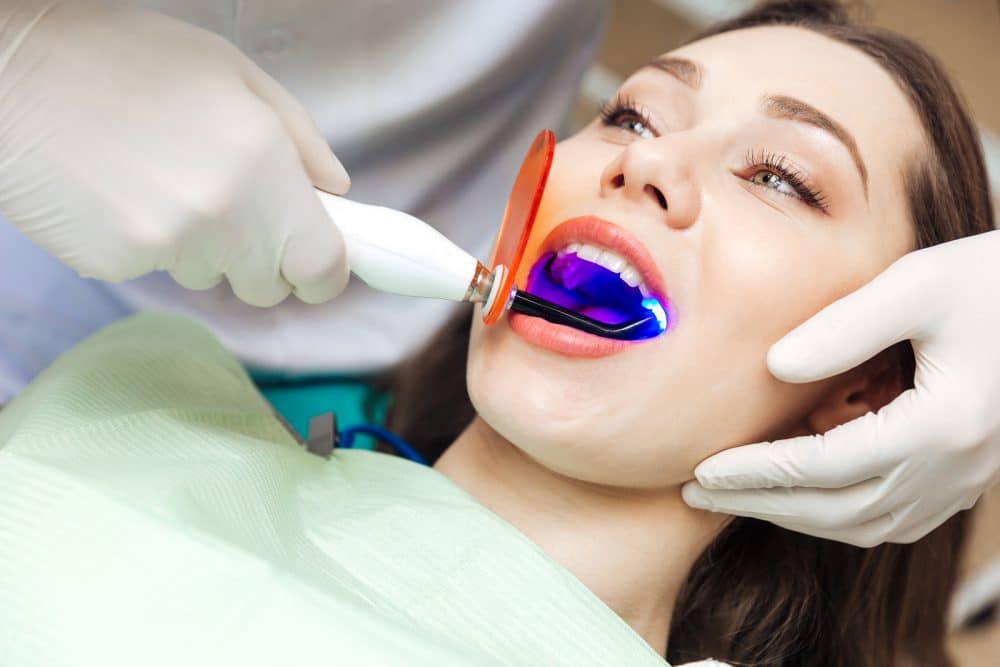
A Dental Laser is a type of Laser designed specifically for use in oral Surgery or Dentistry. Laser Dentistry is a precise and effective way to perform many dental procedures.
Laser Dentistry has made this condition easily treatable. These dental lasers help to carefully reshape gums and make them more aesthetically pleasing. If you have a gummy smile that has affected your self-confidence, a laser treatment might be exactly what you are looking for.
Benefits Of Laser Dentistry include
- Procedures performed using soft tissue laser may not require stitches
- Certain Laser Dentistry procedures do not require anesthesia
- Bacterial infections are minimized because the high-energy beam sterilizes the area
- Damage to surrounding tissue is minimized
- Wounds heal faster and tissues can be regenerated
What are the applications of laser dentistry?
The application of lasers in dentistry opens the door for dentists to perform a wide variety to dental procedures they otherwise may not be able to perform. Dentists using lasers in dentistry have become adept at incorporating the state-of-the-art precision technology into a number of common and not-so-common procedures.
Two types of Laser machines used for different procedures are:
Hard Tissue Laser Dentistry Procedures
- CAVITY DETECTOR: Low-intensity soft tissue dental lasers may be used for the early detection of cavities by providing a reading of the by-products produced by tooth decay.
- DENTAL FILLING/ TOOTH PREPARATION: Hard tissue dental lasers may eliminate the need for a local anesthetic injection and the traditional turbine dental drill.Lasers used in dental filling procedures are capable of killing bacteria located in a cavity, potentially leading to improved long-term tooth restorations.
- TOOTH SENSITIVITY: Dental Laser may be used to seal tubules(located on the root of the tooth)that are responsible for hot and cold tooth sensitivity
Soft Tissue Laser Dentistry Procedures
- CROWN LENGTHENING: Dental lasers can reshape gum tissue (soft tissue laser) and bone (hard tissue laser) to expose healthier tooth structure.
- GUMMY SMILE: Dental Lasers can reshape gum tissue to expose healthy tooth structure and improve the appearance of a gummy smile.
- MUSCLE ATTACHMENT: A Laser frenectomy is an ideal treatment option for children who are tongue tied and babies unable to breastfeed adequately due to limited tongue movement. It may also help to eliminate speech impediments.
- SOFT TISSUE FOLDS: Dental Lasers may be used for the painless and suture- free removal of tissue fold often caused by ill-fitting dentures.
FAQs
What is laser dentistry?
Laser dentistry uses specialised dental lasers to perform precise and effective oral surgeries and dental procedures, targeting hard or soft tissues with minimal invasiveness.
What are the benefits of laser dentistry?
Benefits include reduced need for stitches or anesthesia, minimized bacterial infections, less damage to surrounding tissues, faster healing, and tissue regeneration, making procedures more comfortable.
How does laser dentistry help with cavity detection?
Low-intensity soft tissue lasers detect cavities early by reading by-products of tooth decay, allowing for timely treatment without radiography.
How does laser dentistry help with tooth sensitivity?
Hard tissue lasers seal tubules on the tooth’s root, reducing sensitivity to hot and cold stimuli, providing a quick and effective solution.
Are laser dentistry procedures safe?
Yes, laser dentistry is safe when performed by trained professionals. The high-energy beam sterilizes the area, reducing infection risks, and minimizes damage to surrounding tissues.