
- Home
- Dental Treatments
- Restorative & Dental Implants
- Dental Bonding
Dental Bonding — Same-Day Composite Smile Correction in Bangalore
Not every cosmetic dentistry case needs porcelain veneers, multiple visits, or laboratory-made restorations. For the right concerns, dental bonding can reshape and refresh your smile in a single appointment, often without injections, drilling away healthy enamel, or a waiting period. Composite bonding is ideal when you want a noticeable improvement that is conservative, reversible, and budget-friendly.
At Dental Solutions Clinic in Indiranagar, Bangalore, composite bonding is carried out by specialist Prosthodontist Dr. Ramya Balasubramanya — MDS Prosthodontics, BDS Gold Medallist (RGUHS University Topper), and Certified Digital Smile Design (DSD) Practitioner using the same anatomical and aesthetic principles applied to advanced veneer and ceramic work.

What Is Dental Bonding?
Dental bonding involves applying tooth-coloured composite resin directly to your teeth, then sculpting and polishing it by hand to match your natural shade, shape, and gloss. It can repair chips, close small gaps, soften minor misalignment, mask local discolouration, and restore early wear or erosion while preserving the underlying tooth.
Who Is Composite Bonding For?
Composite bonding is particularly well-suited for:
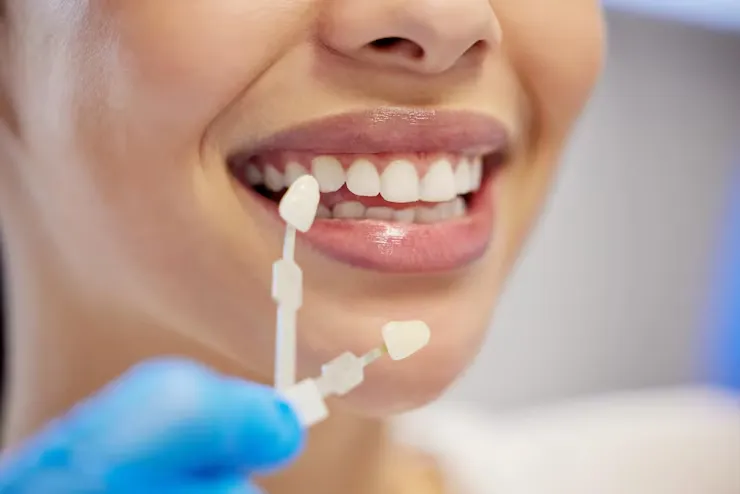
- Chipped or fractured front teeth, especially small to medium chips on the edges or corners.
- A central diastema (gap between upper front teeth) that can be closed symmetrically in one visit.
- Mild spacing between front teeth where orthodontics is not desired.
- Minor shape issues such as slightly undersized teeth, pointed canines, or poor width-to-height ratios.
- Localised surface discolouration on a single tooth that may not respond well to veneers or whitening alone.
- Mild erosion or wear at the incisal edges, where rebuilding lost length does not require tooth preparation.
- Younger patients (especially under about 25), where the pulp chambers are large, and enamel removal for veneers is best avoided.
- Patients who want a reversible, lower-cost cosmetic option or a “test run” before committing to porcelain veneers.
- Interim enhancement between orthodontic treatment and future veneers or implants.
Composite Bonding Procedure — Step by Step

Assessment and Design
The visit begins with a focused assessment of the teeth to be treated: their shade, shape, surface texture, existing restorations, and their contact with the opposing teeth. Pre-treatment photographs are taken for planning and to allow for a before-and-after comparison. For multi-tooth bonding or more significant shape changes, a digital preview or wax/mock-up may be planned separately so that the final form is agreed upon in advance.
Shade selection is carried out under neutral, daylight-like lighting before the teeth dry out, as dehydrated enamel appears temporarily lighter than its true colour. Choosing shade at the right time helps ensure the bonded area matches the hydrated tooth over the following hours and days.

Tooth Surface Preparation
In most cosmetic bonding cases, little or no drilling is needed. Composite is bonded directly to intact enamel. For chips or fractured edges, the margins may be lightly bevelled to increase the bonding surface and soften the transition between tooth and composite. Local anaesthesia is often unnecessary when working purely on enamel; for areas near the gum line or involving dentine, a small amount of local anaesthetic can be used for comfort.
The enamel is then conditioned with phosphoric acid etchant and rinsed, creating microscopic porosities for the adhesive to penetrate. A bonding agent (primer and adhesive) is applied to this micro-roughened surface and light-cured, forming a strong micromechanical and chemical bond between tooth and composite.

Composite Application and Sculpting
Composite resin is applied in small increments. Typically, an initial dentine-shade layer builds the body of the restoration and re-establishes the overall shape, followed by enamel-shade layers that create the final surface and translucency. Each increment is sculpted to reflect the specific anatomy of that tooth type (central incisor, lateral incisor, canine) and light-cured before the next layer is placed.
This sculptural stage is where experience and training matter most. Reproducing the subtle contours, angles, and surface textures that make a tooth look real — rather than flat and artificial — requires a detailed understanding of tooth morphology and how light reflects off different planes. Specialist prosthodontic training provides this framework and informs every contour and line angle.

Finishing and Polishing
Once the form is built, finishing burs, discs, and strips are used to refine margin fit, contact areas, and overall contour. A multi-step polishing sequence, moving from coarser to very fine abrasives and polishing pastes, is used to achieve an enamel-like gloss and smoothness that helps resist staining and plaque accumulation.
The bite is checked carefully in all directions (closing, side movements, and forward movements) to ensure there are no excessively high contacts on the new composite. Any minor adjustments are made immediately.

Final Assessment and Follow-Up
Post-treatment photographs are taken to document the result, and you are invited to review the changes in the mirror and on screen. Small aesthetic refinements can be made during the same visit. Some patients prefer to live with the new shape in normal daily conditions for a short period; in these cases, a review visit within 2–4 weeks allows fine-tuning based on your feedback.
Outcomes, Longevity & Aftercare
Clinical Longevity
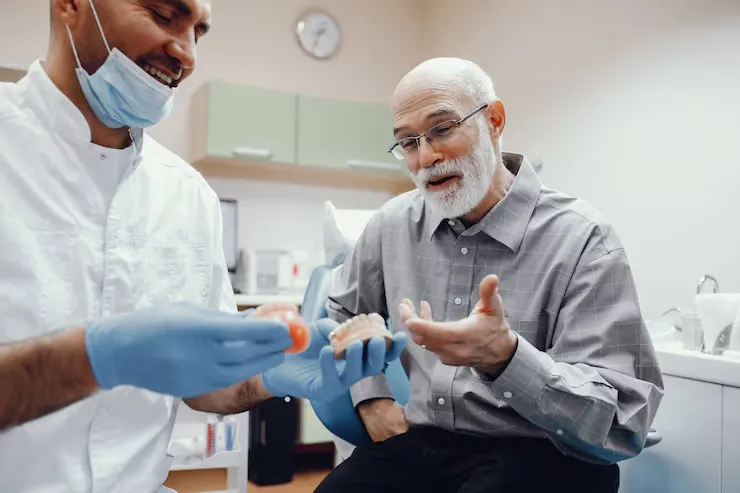
Composite bonding in the front teeth typically has an expected life of around 5–10 years before repair, resurfacing, or replacement may be required. Longevity depends on factors such as:
- Size and location of the bonded area (smaller repairs generally last longer).
- Oral hygiene and diet (staining and marginal breakdown occur faster with poor hygiene and frequent acidic or strongly coloured foods/drinks).
- Habits such as grinding, nail biting, or biting pens.
One key advantage of composite over ceramic is repairability. If a small area chips or stains, it can usually be corrected by adding or recontouring the composite rather than replacing the entire restoration.
Sensitivity

Bonding confined to enamel seldom causes postoperative sensitivity. If dentine is involved near the gum line or in deeper areas, mild temporary sensitivity to cold can occur and usually settles on its own within a few days.
Colour Stability
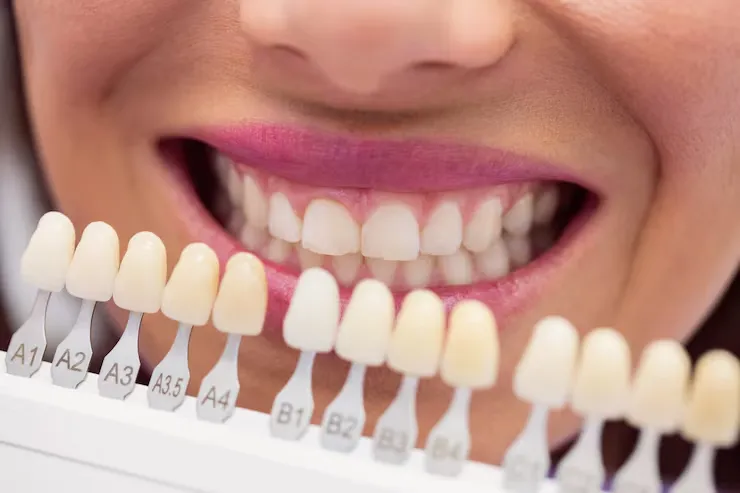
Composite resin is more prone to staining and slight colour change over time than porcelain or e.max ceramic. However, professional polishing can remove most surface staining and restore lustre. When deeper discolouration within the composite develops over several years, replacing the bonding offers a fresh, bright result.
Post-Treatment Guidance

- Avoid biting very hard foods directly with newly bonded teeth for the first 24–48 hours.
- Minimise dark or strongly coloured foods and drinks (coffee, tea, red wine, turmeric) for the first 48 hours to reduce early staining.
- Do not use your teeth to open packets or bite nails.
- Floss gently around bonding margins to keep the gum line clean.
• Attend regular check-ups and hygiene visits every 6 months — professional cleaning and occasional repolishing significantly extend the aesthetic life of composite bonding.
How Dental Solutions Clinic Delivers Composite Bonding

Specialist prosthodontic care
Composite bonding is performed by MDS Prosthodontist and BDS Gold Medallist Dr. Ramya Balasubramanya, whose core training focuses on restoring and rebuilding teeth and smiles.

Multi-layer technique for natural depth
Separate dentine and enamel layers are used to mimic natural tooth structure and light behaviour, avoiding the flat, opaque look of single-shade bonding.

Advanced nano-hybrid and nanofilled materials
Composites are selected case-by-case for strength, polishability, and optical quality in the aesthetic zone.
Freehand sculptural approach – Shape is designed tooth by tooth, guided by your existing teeth and facial proportions rather than generic templates.

Digital planning for multi-tooth cases
Where multiple teeth are involved, Digital Smile Design principles can be used to preview proportions and symmetry before clinical work begins.

Same-day results
Most bonding cases are completed in a single visit, with immediate improvement and minimal downtime.
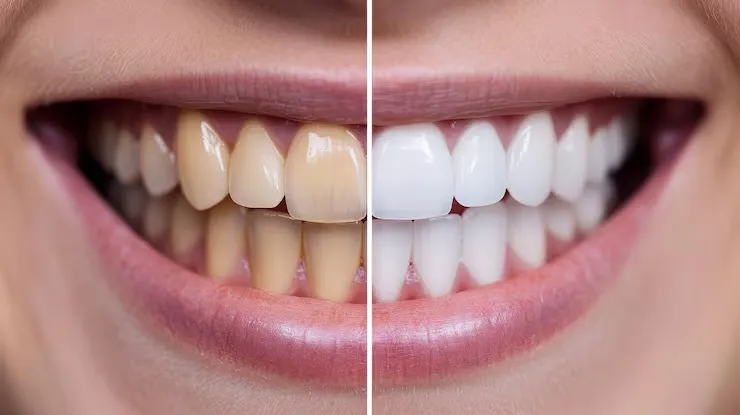
Dental Bonding Before & After Results
Seeing real cases helps you understand what same-day composite bonding can achieve for chips, gaps, and minor asymmetries. These are real clinical cases from Dental Solutions Clinic — not stock images or manufacturer-supplied photographs.
Dental Bonding Cost in Bangalore
Composite bonding is typically more affordable than porcelain or e.max veneers. At Dental Solutions Clinic in Indiranagar, Bangalore, fees are structured to reflect the number of teeth and the complexity of the work. Single-tooth cosmetic bonding (chip, corner, small defect): typically from ₹1,500–₹6,000 per tooth. A detailed, itemised estimate is provided after your consultation, so you know the full cost before dental treatment begins.
Frequently Asked Questions
How long does composite bonding last?
Composite bonding typically lasts 5–10 years before recontouring, repair, or replacement is needed. Longevity depends on oral hygiene, dietary habits, parafunctional habits (grinding, nail-biting), and the size of the restoration. The key advantage over ceramic is repairability. Chipped or worn bonding can be repaired by adding new composite, rather than requiring complete replacement. Regular 6-monthly professional maintenance, including surface repolishing, significantly extends the aesthetic life of composite bonding.
Is composite bonding painful?
No. Composite bonding to enamel requires no anaesthesia in most cases. You feel no drill vibration, no significant pressure, and no pain. Where the bonding area is close to the gum margin or involves dentine, a small amount of local anaesthetic may be used for comfort, but this is the exception rather than the rule.
Can composite bonding fix a gap between my front teeth?
Yes. Closing a central diastema with composite bonding is one of the most predictable and common applications of the technique. Both central incisors are reshaped symmetrically to close the gap, typically adding 0.5–1.5mm to each tooth, depending on the gap size. Where the gap is larger than 3–4mm, orthodontic closure or veneers may produce a more proportionate result. This is assessed at your consultation.
Will composite bonding stain?
Yes, over time. Composite resin absorbs stains from coffee, tea, turmeric, red wine, and tobacco more readily than ceramic. Surface staining can be removed by repolishing at professional maintenance appointments. Bulk discolouration of the material itself typically develops after 5–10 years. Avoiding staining foods and drinks in the first 48 hours after placement, while the surface cement fully cures, is particularly important.
Can composite bonding be removed if I change my mind?
In most cases, yes. Because composite bonding requires no or minimal tooth preparation, the composite can be removed, and the tooth is largely returned to its original form. This makes bonding a genuinely reversible option for patients exploring cosmetic treatment before committing to ceramic veneers.