
Bad Breath — Causes, Diagnosis & Professional Treatment in Bangalore
Bad breath, medically known as halitosis, is a common dental issue and often poorly managed. Mouthwash and mints only temporarily hide the symptom; they do not address the root cause. Frequently, the underlying cause is a medical condition rather than poor hygiene, and it needs professional diagnosis and treatment.
At Dental Solutions Clinic in Indiranagar, Bangalore, halitosis is assessed diagnostically. Our Periodontist, Dr. Balasubramanya K V, identifies the source of the odour, treats the underlying condition, and provides a maintenance plan to prevent recurrence.

How Bad Breath Develops
The main chemical compounds causing bad breath are volatile sulphur compounds (VSCs), especially hydrogen sulphide, methyl mercaptan, and dimethyl sulphide. These are generated by anaerobic bacteria that decompose sulphur-containing proteins from food debris, dead epithelial cells, and blood components in inflamed tissue:
- Anaerobic bacteria colonise the tongue coating, periodontal pockets, or stagnant areas between teeth
- These bacteria metabolise sulphur-containing amino acids from proteins in the mouth
- The metabolic process releases volatile sulphur compounds, the chemical compounds that produce the characteristic odour
- Reduced saliva flow (dry mouth) worsens the problem. Saliva is the mouth’s natural cleansing and buffering mechanism
- Gum disease increases the bacterial load and protein substrate available for VSC production, dramatically worsening halitosis
Common Causes of Bad Breath

Gum Disease — The Most Common Clinical Cause
Periodontal disease leads to anaerobic pockets under the gum margin, where VSC-producing bacteria flourish. The deeper the pockets and the higher the bacterial burden, the more intense the halitosis. The only definitive solution is treating the gum disease itself. At Dental Solutions Clinic, gum treatment uses LANAP or WPT laser therapy to effectively decontaminate areas that mechanical tools cannot reach.
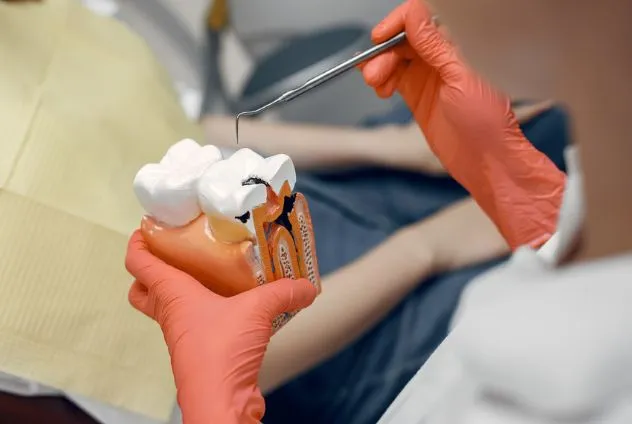
Pulp Death and periapical abscess
The dorsal surface of the tongue, especially the posterior third, hosts the greatest number of VSC-producing bacteria in most patients. A thick white or yellowish coating often signifies a dense bacterial film and is usually the main cause of halitosis. Management involves mechanical tongue cleaning along with guidance on using antimicrobial rinses.
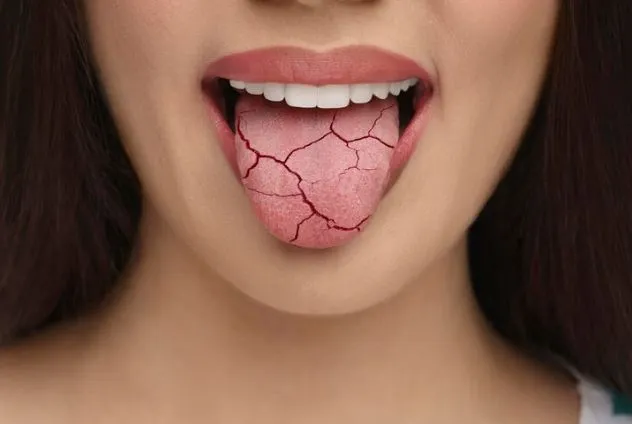
Dry Mouth (Xerostomia)
Saliva possesses direct antimicrobial effects, mechanically cleans food debris from teeth, and helps buffer the oral environment. When saliva flow diminishes due to dehydration, mouth breathing, medication side effects (such as antihistamines, antidepressants, antihypertensives, diuretics), or systemic illnesses, bacterial populations tend to grow quickly.
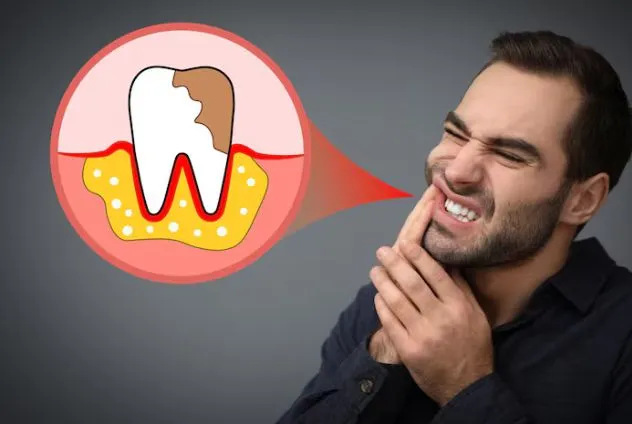
Dental Decay and Infected Teeth
Active tooth decay, particularly in deep cavities, around failing restorations, or in teeth with pulpal infection, provides a protein-rich substrate for bacterial fermentation. Treatment requires removal of the decay, restoration of the tooth, or root canal treatment where pulpal involvement is present.

Systemic Conditions
About 10% of halitosis cases come from outside the mouth, including sinusitis and postnasal drip (the most common extra-oral cause), tonsillar crypts with tonsilloliths, gastro-oesophageal reflux disease, poorly managed diabetes (acetone breath), liver disease, and kidney failure.

Diet
Sulphur-rich foods such as garlic, onions, and cruciferous vegetables directly boost VSC production. This form of halitosis is temporary and typically clears up within hours. However, persistent halitosis that isn’t linked to particular foods may have an underlying clinical cause.
How We Diagnose Bad Breath
Effective treatment requires an accurate diagnosis of the source. Our assessment protocol includes:

Full periodontal charting
Probing depths, bleeding on probing, and clinical attachment levels to identify periodontal disease as a source
Tongue assessment.
Degree of coating, moisture level, and surface texture
Dental examination
Identification of active decay, failing restorations, or root canal involvement Saliva flow assessment where dry mouth is suspected
Medical and medication history review
Identification of xerostomia-causing drugs or systemic contributors
Radiographic assessment where indicated.
Periapical X-rays or CBCT for teeth with suspected pulpal or periapical pathology
How We Treat Bad Breath

Where Gum Disease Is the Cause: Periodontal Treatment
Professional periodontal treatment, including scaling and root planing, and, when necessary, LANAP or WPT laser decontamination of periodontal pockets, removes the bacterial colonies that produce VSCs. Patients usually experience a noticeable improvement in breath quality within 2–4 weeks of beginning active periodontal therapy.

We provide a specific mechanical tongue cleaning protocol and, where indicated, recommend an evidence-based antimicrobial rinse. Tongue scrapers are significantly more effective than toothbrushes at reducing posterior tongue coating.

Where Dry Mouth Is the Cause
Increasing water intake, modifying mouth-breathing habits, reviewing medications with your physician, and using salivary substitutes address xerostomia-related halitosis.

Where Dental Disease Is the Cause
Decayed teeth, failing fillings, or infected roots are treated with appropriate restorative or endodontic procedures. Once the source of infection or fermentation is removed, the associated halitosis resolves.
Frequently Asked Questions
Can I test for bad breath myself?
The most reliable self-test is to lick the inside of your wrist, let it dry for 5–10 seconds, then smell the area. You can also floss between your back teeth and smell the floss, or scrape the posterior third of your tongue and smell the residue.
Why does bad breath often seem worse in the morning?
Salivary flow decreases significantly during sleep, and mouth breathing at night further reduces it. The result is a prolonged anaerobic environment that favours the growth of VSC-producing bacteria. Morning breath is universal; persistent halitosis throughout the day, even after brushing, indicates a clinical problem.
My dentist says my teeth and gums are fine. Why do I still have bad breath?
If intra-oral causes have been excluded, the next step is to consider extra-oral sources, such as ENT-related conditions, gastrointestinal problems, or systemic diseases. We will advise referral to the appropriate specialist if our dental assessment does not identify a treatable oral cause.
Does mouthwash cure bad breath?
Mouthwash temporarily suppresses bacterial populations for 1–4 hours but does not treat the underlying cause. Alcohol-based mouthwashes can worsen dry mouth, which may paradoxically worsen halitosis.