
Gingivitis | Bleeding Gums, Causes & Expert Treatment in Indiranagar, Bangalore
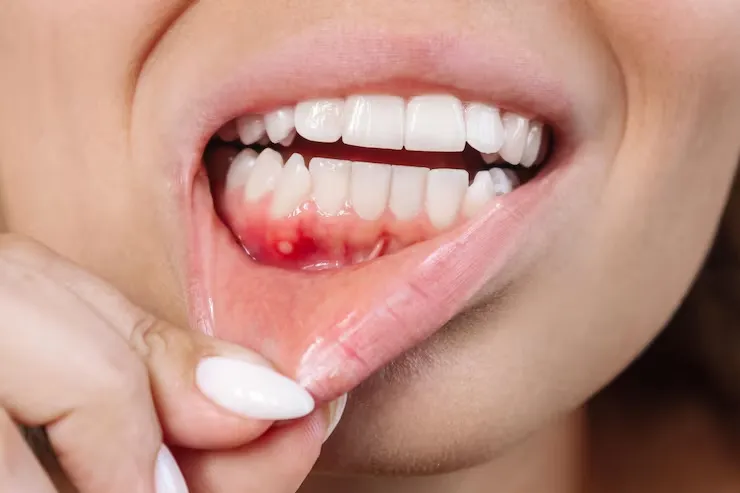
Bleeding gums are never “normal,” even if they do not hurt. Many people respond by brushing more gently or avoiding the sore areas, but this actually allows more plaque to build up and worsens the problem. Gingivitis is the early stage of gum disease, in which plaque along the gumline makes the gums red, swollen, and more likely to bleed when you brush or floss. That blood on your toothbrush is a warning sign that the soft, sticky film of bacteria has lingered long enough to irritate the gums.
The good news is that gingivitis at this stage is completely reversible. The deeper support around the teeth is still healthy, and the gums can return to normal once plaque is removed and kept under control. With better daily cleaning and a professional scale and polish, the redness, swelling, and bleeding usually settle within a few weeks. At Dental Solutions Clinic in Indiranagar, Bangalore, gingivitis is assessed and treated by Dr. Balasubramanya K V, a specialist gum surgeon (Periodontist), MDS Periodontics, LANAP Certified Practitioner, Fotona LightWalker Certified Operator with over 25 years of experience in managing gum problems.

What is gingivitis?
Gingivitis is the first stage of gum disease. At this point, the gums are inflamed because plaque has built up along and just under the gum line, but the bone and deeper attachment around the teeth remain intact. The gums often look red and puffy, may feel tender, and bleed easily when brushed or gently checked with a dental probe. With proper at-home cleaning and professional help, this irritation can clear completely, and the gums can become pink and firm again.
It is important to separate gingivitis from periodontitis. Periodontitis is a more advanced stage of gum disease in which inflammation has begun to damage the bone and fibres that hold the teeth in place, leading to loose teeth and tooth loss. Gingivitis precedes this stage and is the point at which timely periodontal treatment prevents that type of permanent damage. Not every case of gingivitis progresses to periodontitis, but every case of periodontitis starts as untreated gingivitis.
Common causes and risk factors

Not removing plaque well enough
This is the main cause of gingivitis. A plaque that stays around the gumline for more than 2–3 days almost always irritates the gums. The most commonly missed spots are along the gumline of the lower front teeth and between teeth, where plaque can harden into tartar and keep the gums inflamed.

Tartar (calculus) build‑up
When soft plaque is not removed, minerals in your saliva harden it into tartar that sticks firmly to the teeth. Tartar has a rough surface that attracts more plaque and often sits right at or just below the gum line. It cannot be removed by brushing; only a dental professional can remove it.

Hormone changes
Changes during puberty, pregnancy, and certain phases of the menstrual cycle can make gums more sensitive to plaque. During pregnancy, many women notice that their gums bleed more, even with a normal amount of plaque, and this often improves after delivery if their oral hygiene is good.

General health and medicines
Poorly controlled diabetes and some other medical conditions can make it harder for the body to fight gum infection and to heal. Certain medicines — such as some blood‑pressure tablets, epilepsy medicines, and transplant drugs — can cause gum overgrowth, which creates extra places for plaque to collect.

Mouth breathing
Breathing mainly through the mouth, especially at night, dries the gums and reduces the natural cleaning effect of saliva. The upper front gums often look more inflamed in mouth breathers and may not fully improve until the breathing pattern is addressed.

Ill‑fitting dental work
Rough or overhanging fillings and crowns, food‑trapping gaps, or loose dentures can all create spots where plaque collects and is hard to clean away. If the gums stay inflamed only around certain restorations, those fillings or crowns may need to be reshaped or replaced.

- Gums that bleed every time you brush or floss for more than two weeks
- Gums that bleed on their own, even when you are not brushing
- Red, shiny, or swollen gums that feel sore to touch
- A swollen area or “gum boil” around a single tooth (this may be an abscess, not simple gingivitis)
- Bleeding gums during pregnancy that do not improve after you step up your cleaning
Ongoing gum inflammation during pregnancy has been linked, in some people, to a higher risk of pregnancy‑related complications, so checking and treating gingivitis at this time is especially important.
How we assess gingivitis at Dental Solutions Clinic
At Dental Solutions Clinic, we use a structured approach so we do not miss early signs of more serious gum disease:
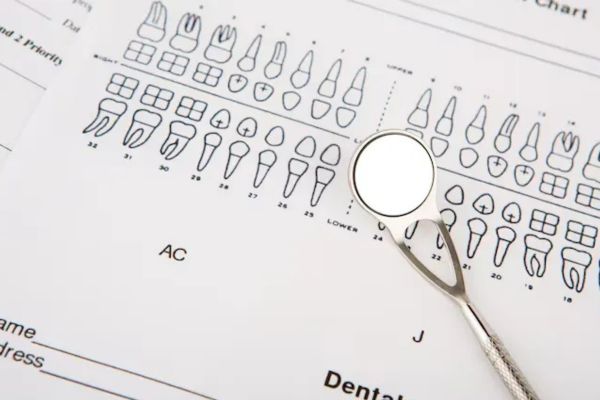
Gum measurements (periodontal charting)
We use a fine measuring probe to check the depth of the space between each tooth and the gum at six points per tooth and to see where the gums bleed when gently touched. Bleeding on probing is a key sign of active inflammation.
Bleeding score
We record how many sites bled compared to how many were checked. This gives an overall picture of gum health at your first visit and at follow‑up.

Plaque score
We record where plaque is visible and how many tooth surfaces are affected, often using a disclosing solution. This shows where your brushing and flossing need to improve.

Tartar charting
We mark where tartar is present above and below the gumline so the cleaning can be targeted and complete.

Small digital X rays (periapical radiographs)
If we find deeper pockets or localised problems, we may take focused X-rays to check bone levels and confirm whether there is only gingivitis or some early bone loss.
Treatment options for gingivitis

Professional scaling and polishing
The main treatment for gingivitis is a thorough professional cleaning to remove plaque and tartar from above and just below the gumline. Brushing and flossing at home cannot remove tartar once it has formed. At Dental Solutions Clinic, we use ultrasonic scalers and hand instruments, followed by polishing or air‑polishing, to remove biofilm and stains. Most people see a clear improvement and healthier‑looking gums within 2–4 weeks when this is combined with better home care.

Personalised brushing and cleaning advice
Rather than giving generic advice, we show you exactly where plaque tends to collect in your mouth and demonstrate a brushing technique that suits your gum shape and tooth position. We also help you choose and use the right interdental tools — floss, small brushes, or a water flosser — so that cleaning between the teeth becomes more effective and easier to maintain.

Laser assisted therapy (when needed)
If gums stay inflamed despite good brushing, especially in patients with health risks such as diabetes or marked gum overgrowth, we may suggest laser‑assisted gum therapy as an extra step. Using the Fotona LightWalker system, Dr. Balasubramanya can help reduce bacteria and remove inflamed gum tissue, improving the response to standard cleaning.

Review and ongoing care
Patients treated for gingivitis are usually reviewed after 4–8 weeks. At this visit, we repeat key gum measurements and compare them with your first chart. Areas that still show bleeding or deeper pockets are given extra attention, and if any site now shows bone loss, it is reclassified as periodontitis and managed with a more advanced gum treatment plan.
Frequently Asked Questions
Does gingivitis go away on its own?
No. Gingivitis only goes away with active treatment — good daily cleaning plus, in most cases, a professional scale and polish to remove tartar you cannot brush off. If your gums still bleed after 2–3 weeks of careful brushing and flossing, you should see a dentist.
Is it normal for gums to bleed when flossing?
No. Healthy gums should not bleed when you floss. A little bleeding is common when you first start flossing, but this should improve within about two weeks if you floss daily; bleeding that continues after that needs a dental check‑up.
Can gingivitis cause bad breath?
Yes. The bacteria that inflame the gums also release sulphur‑smelling gases that cause bad breath. Professional cleaning, along with good home care, usually improves breath; if it does not, your dentist will check for deeper gum pockets or other causes.
Can gingivitis affect my overall health?
Ongoing gum inflammation has been linked with heart disease, poorly controlled diabetes, pregnancy complications, and some breathing problems. Treating and preventing gingivitis is therefore part of looking after your overall health, not just your mouth.
Why do I still have gingivitis at every visit?
Long-standing gingivitis despite regular cleanings can mean: plaque is still being missed in key areas, a health issue or medication is keeping the gums inflamed, a rough filling or crown is trapping plaque, or some sites have already developed early periodontitis. A full gum assessment can pinpoint which of these applies and guide the right treatment.